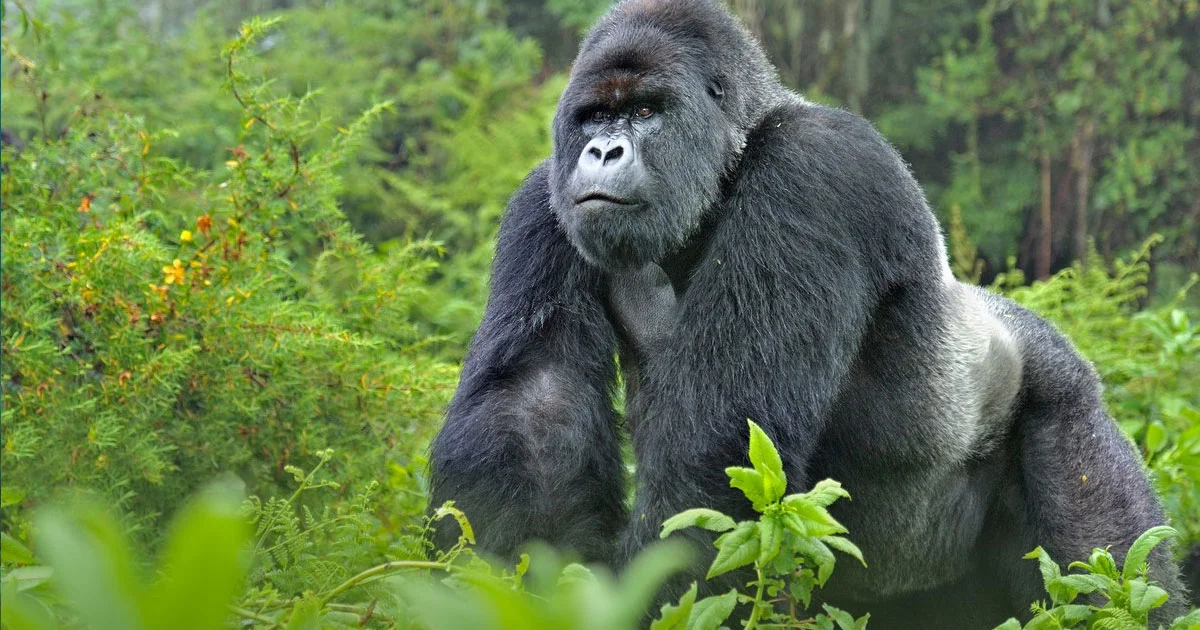
MountainGorilla
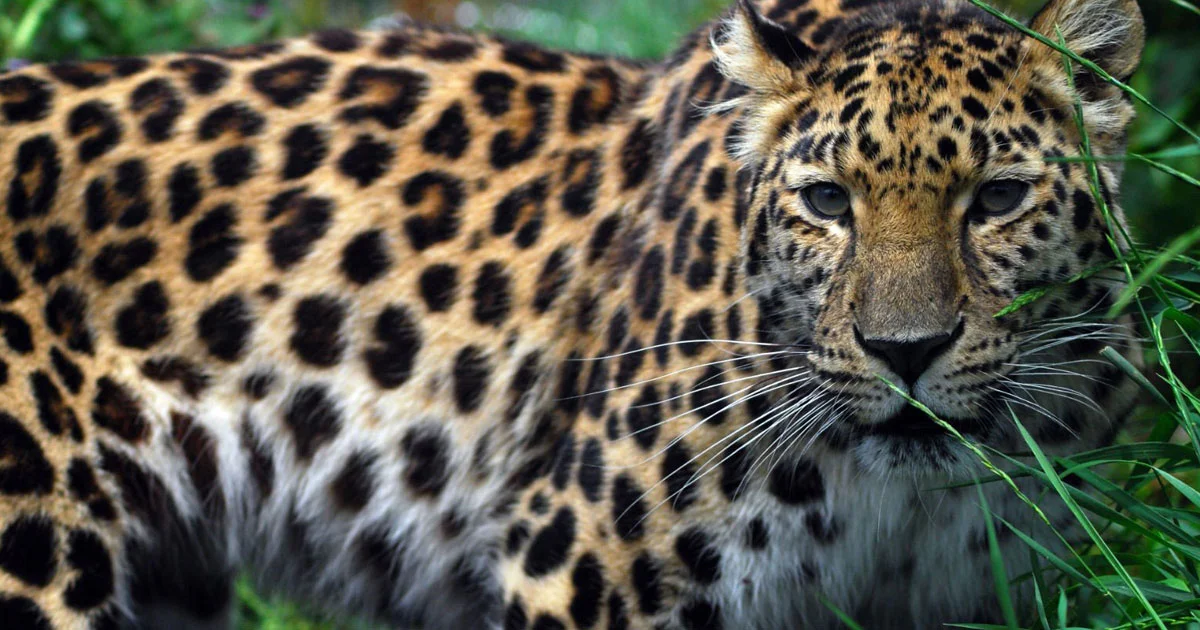
AmurLeopard
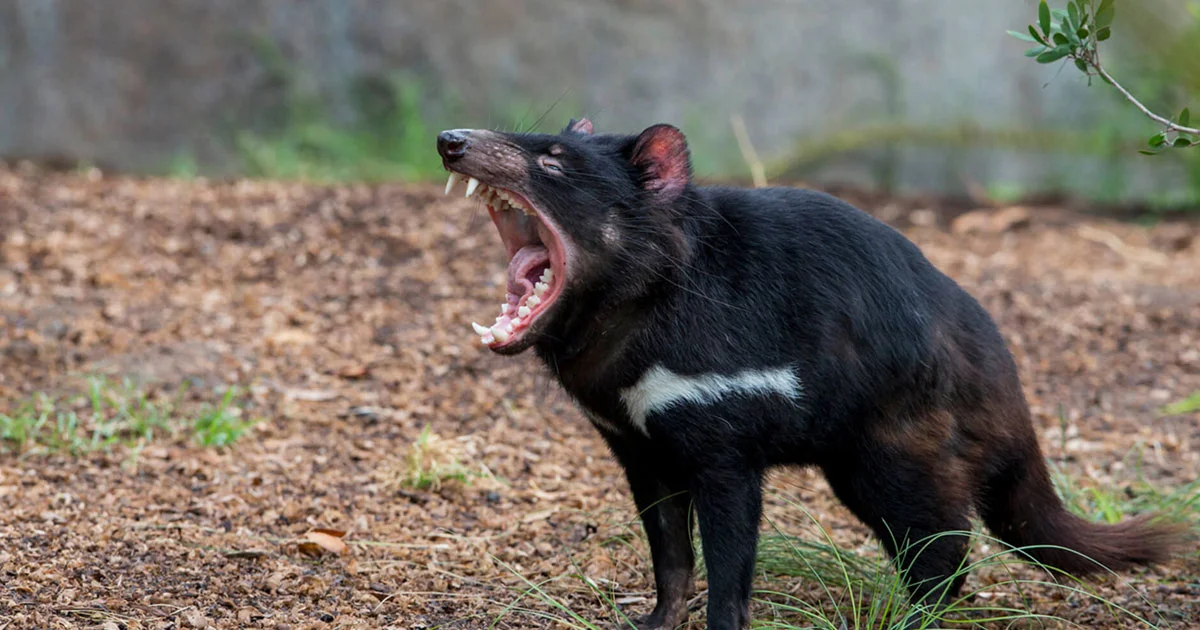
TasmanianDevil
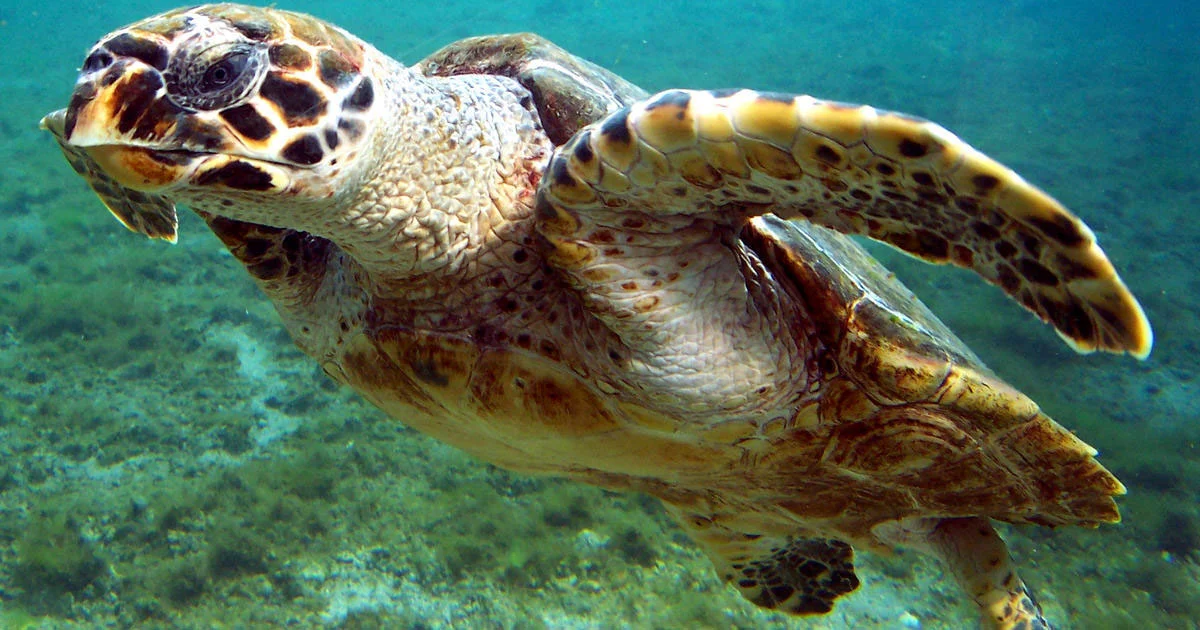
HawksbillTurtle
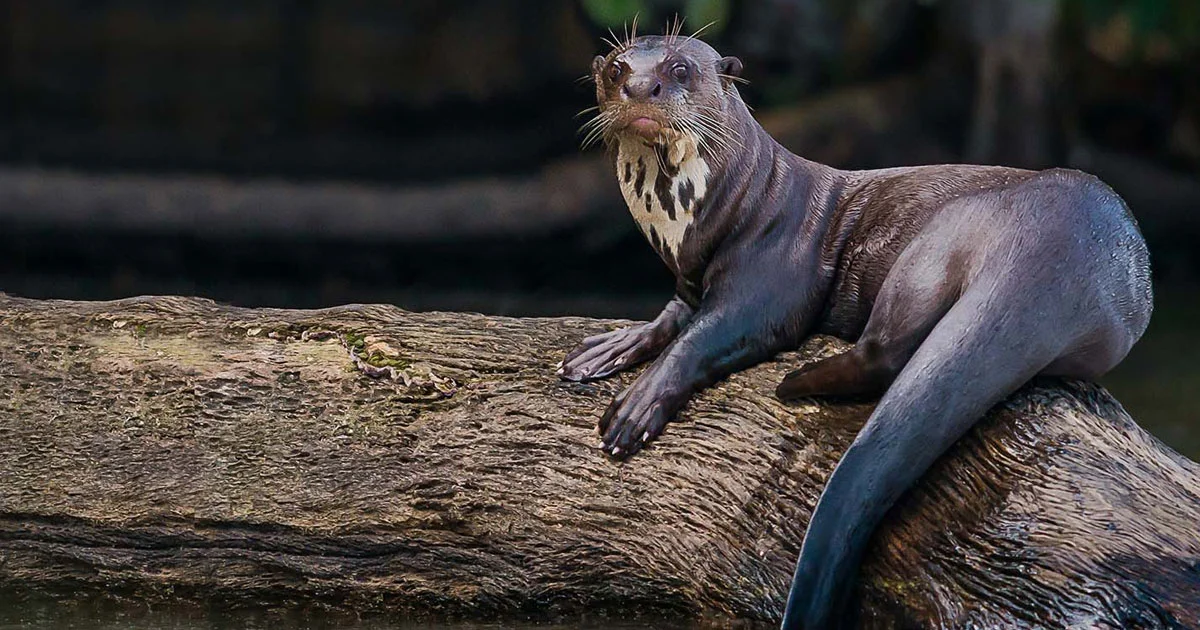
GiantOtter
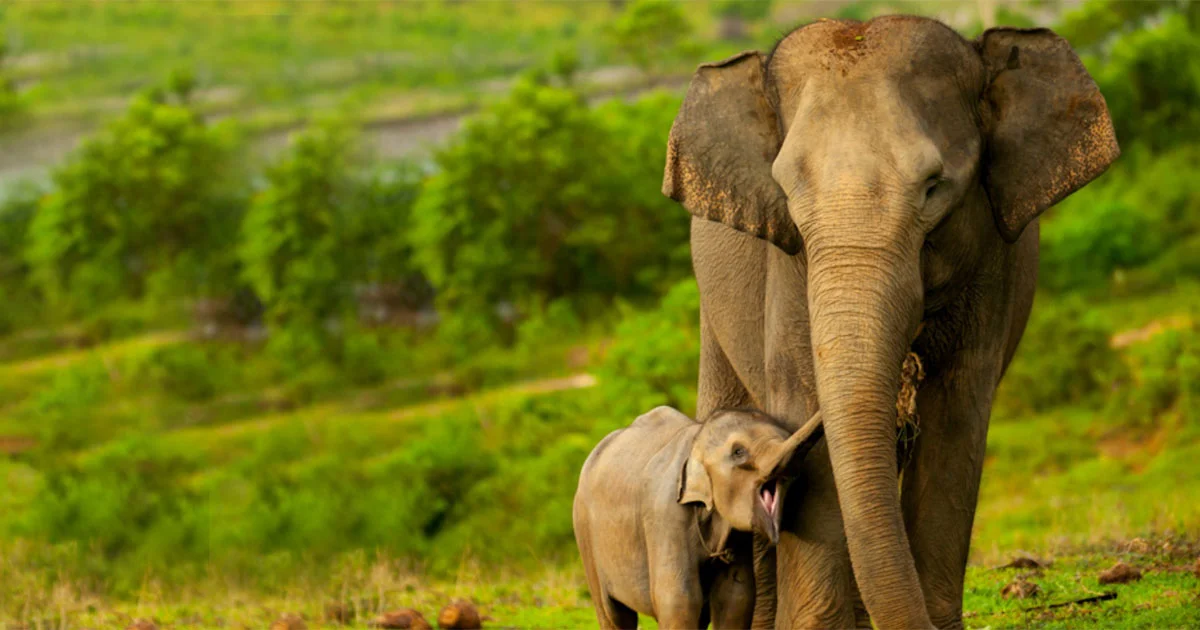
SumatranElephant
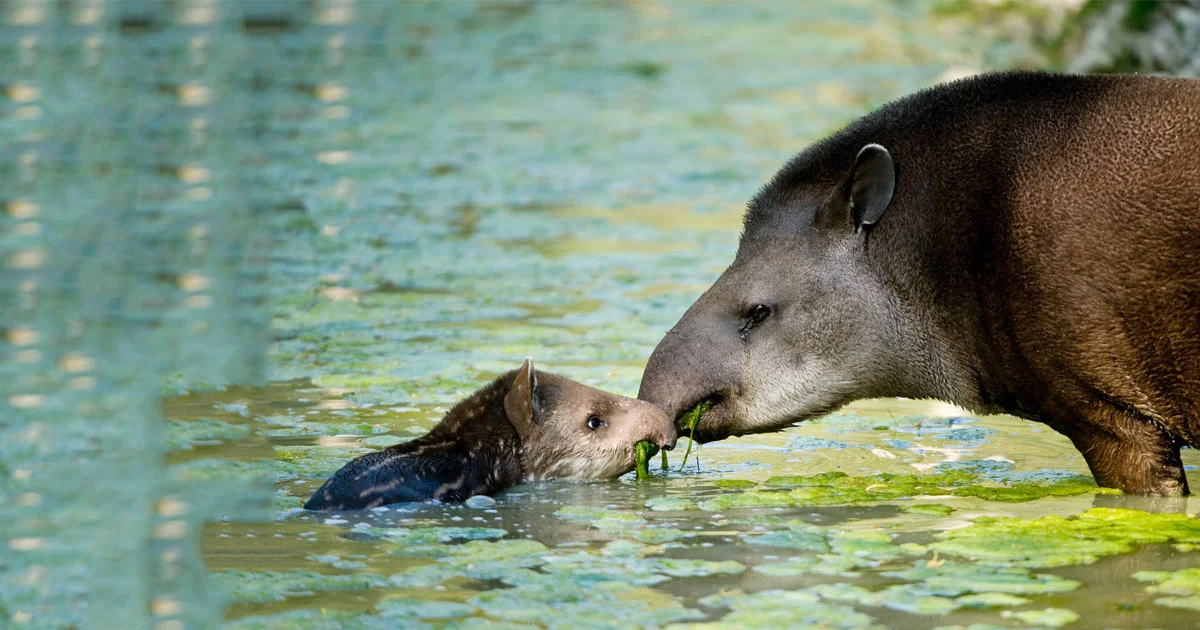
Tapir
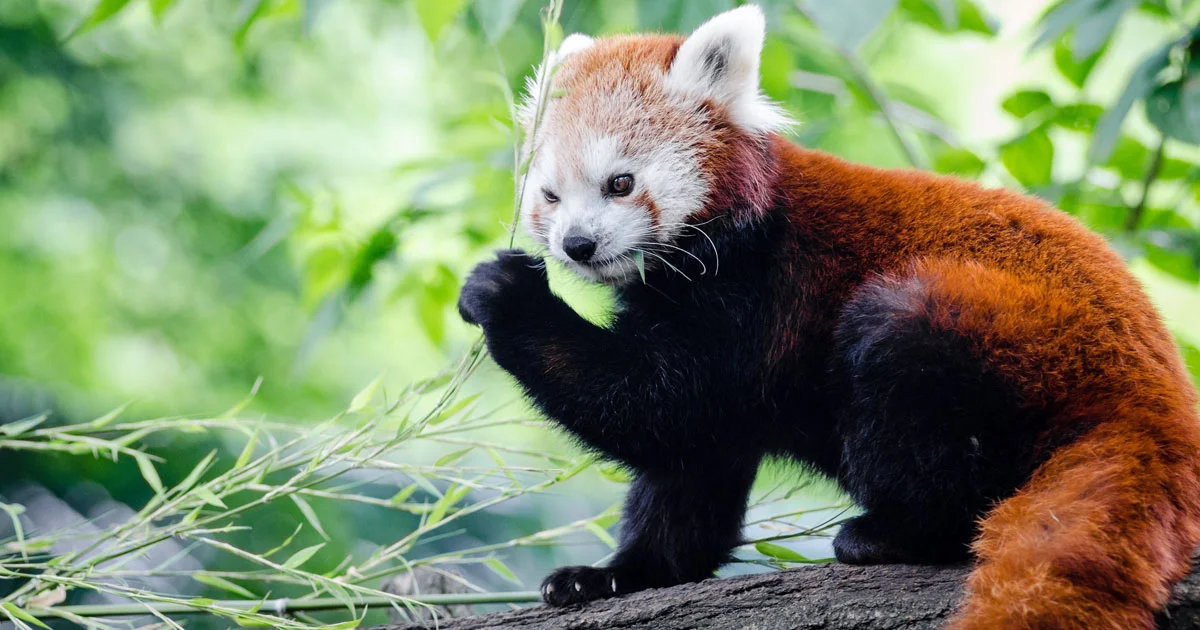
RedPanda
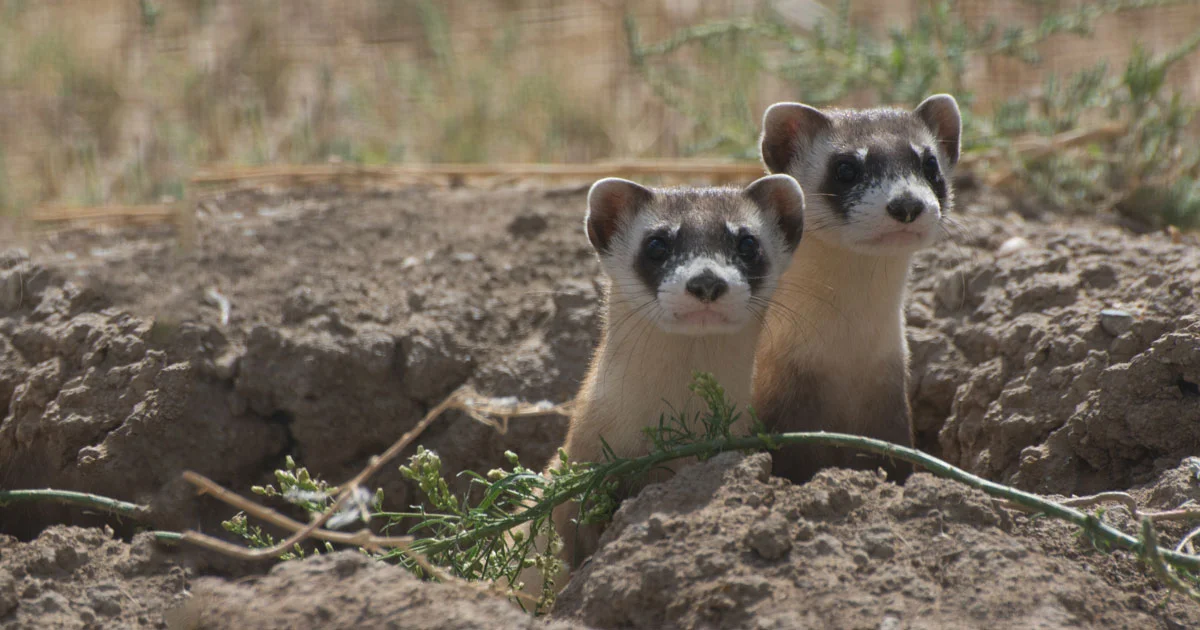
Blackfootedferret
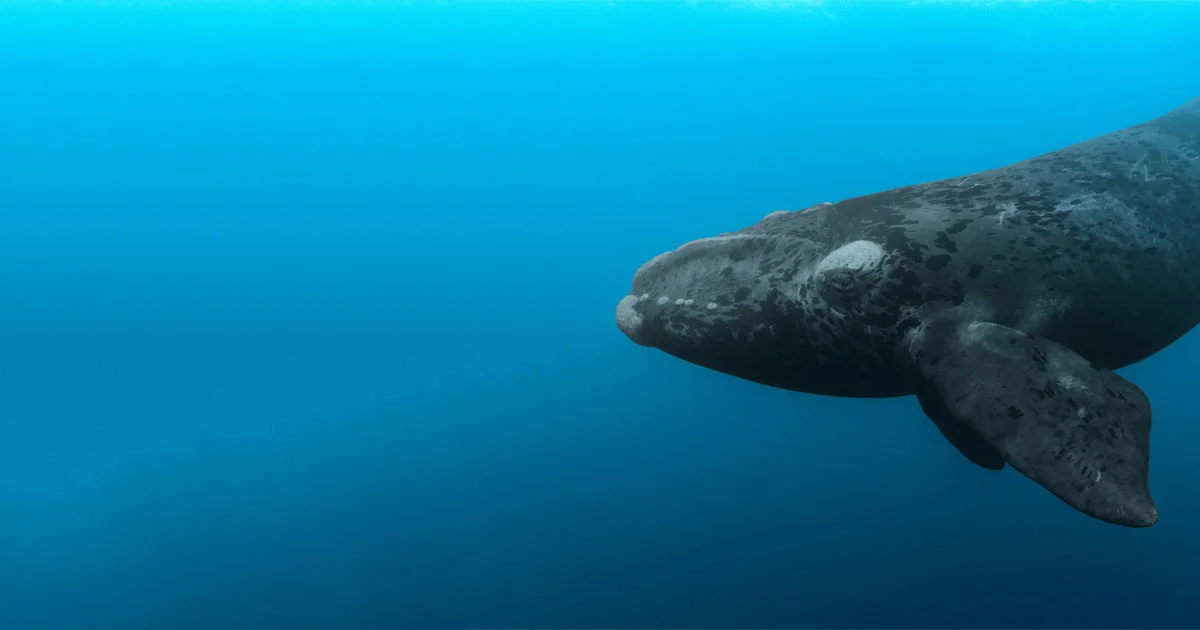
NorthAtlanticRightWhale
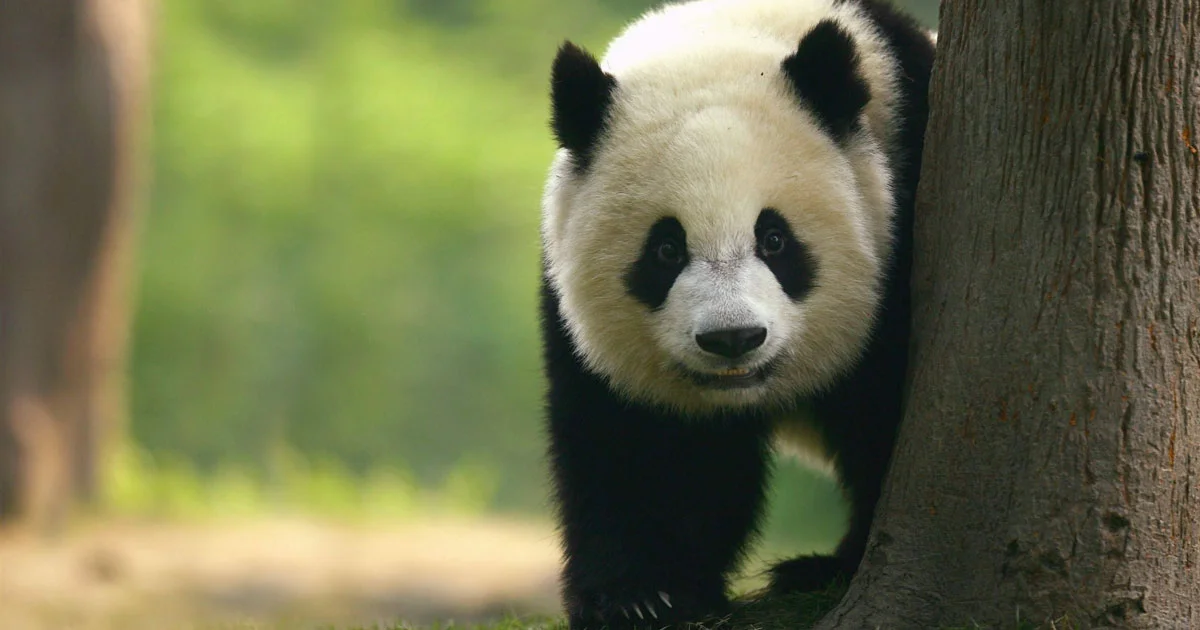
GiantPanda
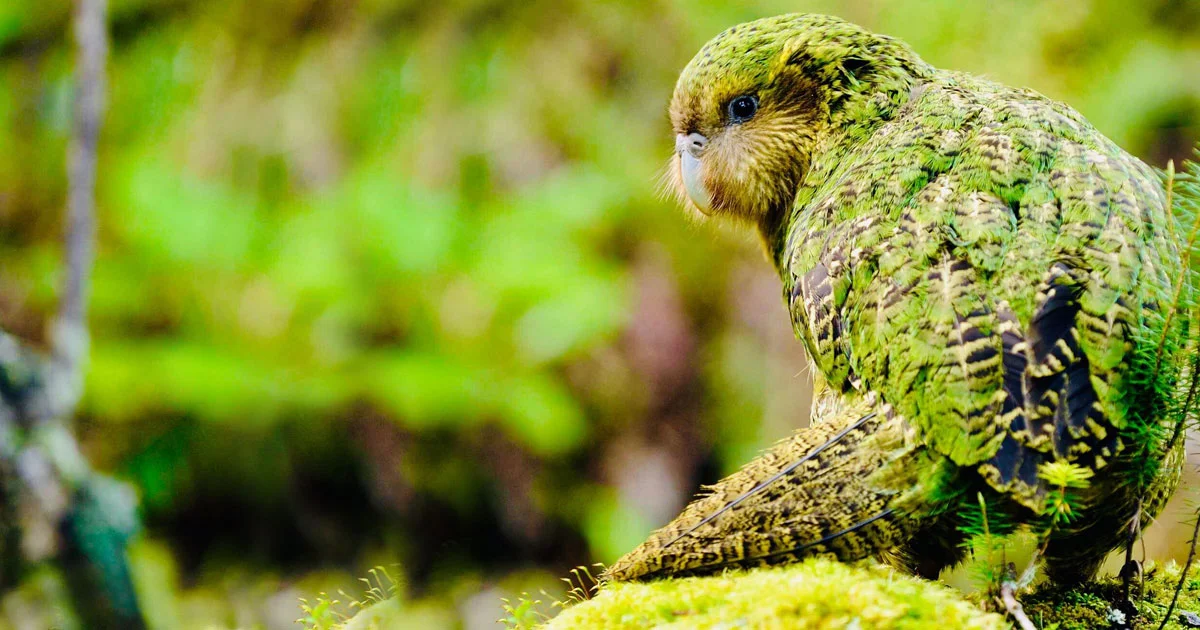
Kakapo
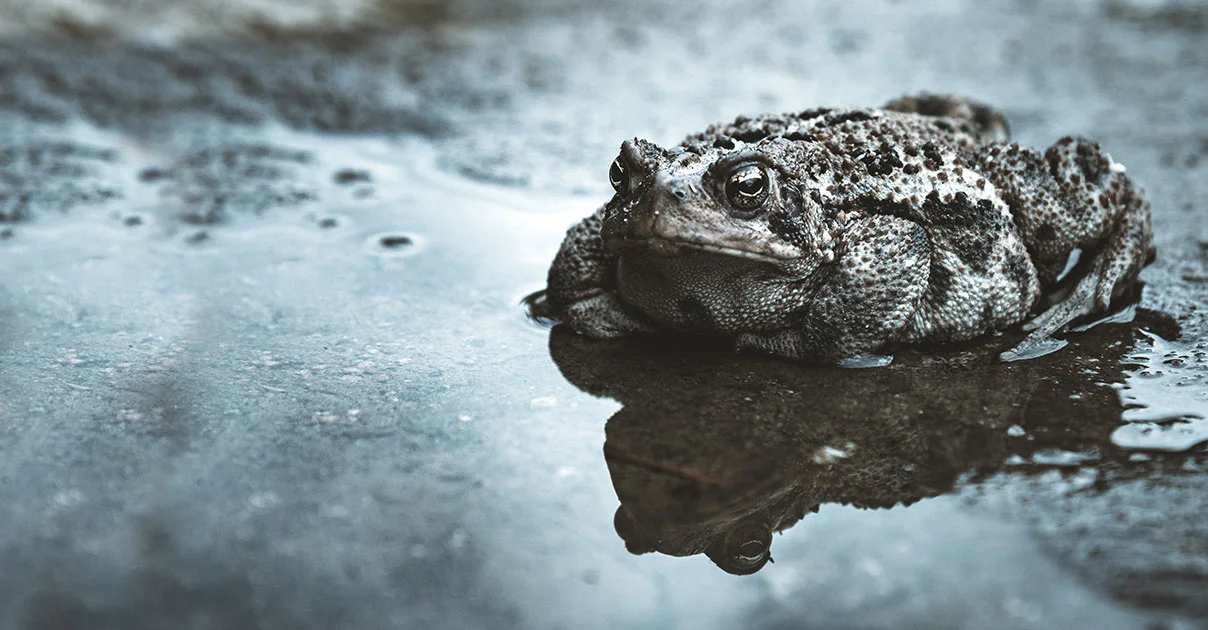
Arroyotoad
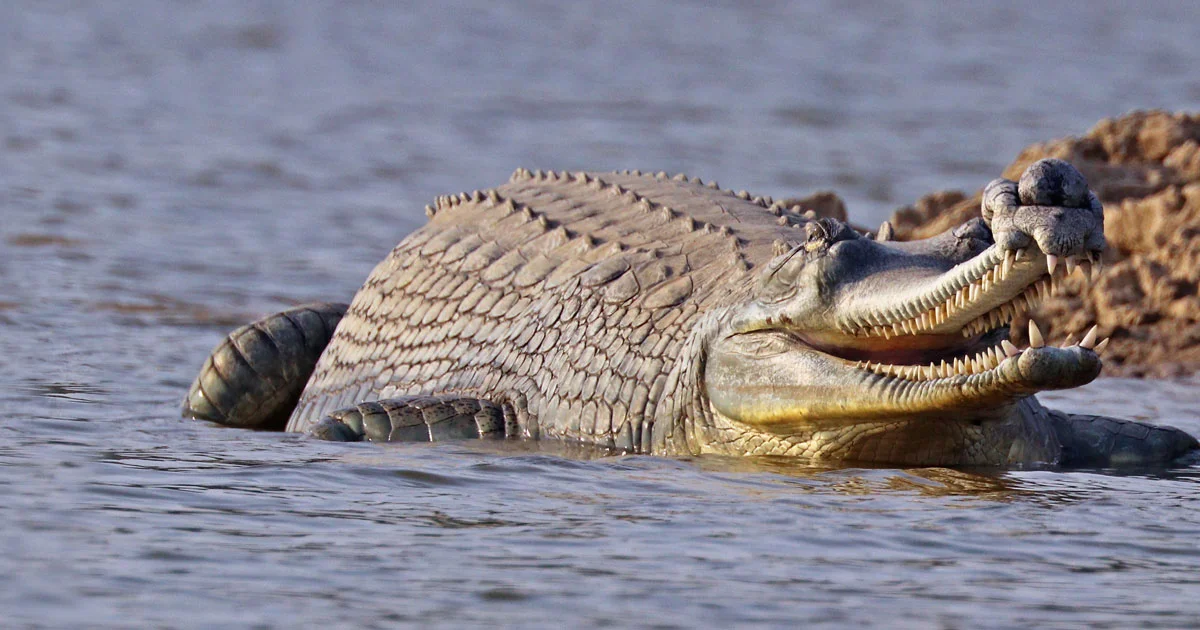
Gharial
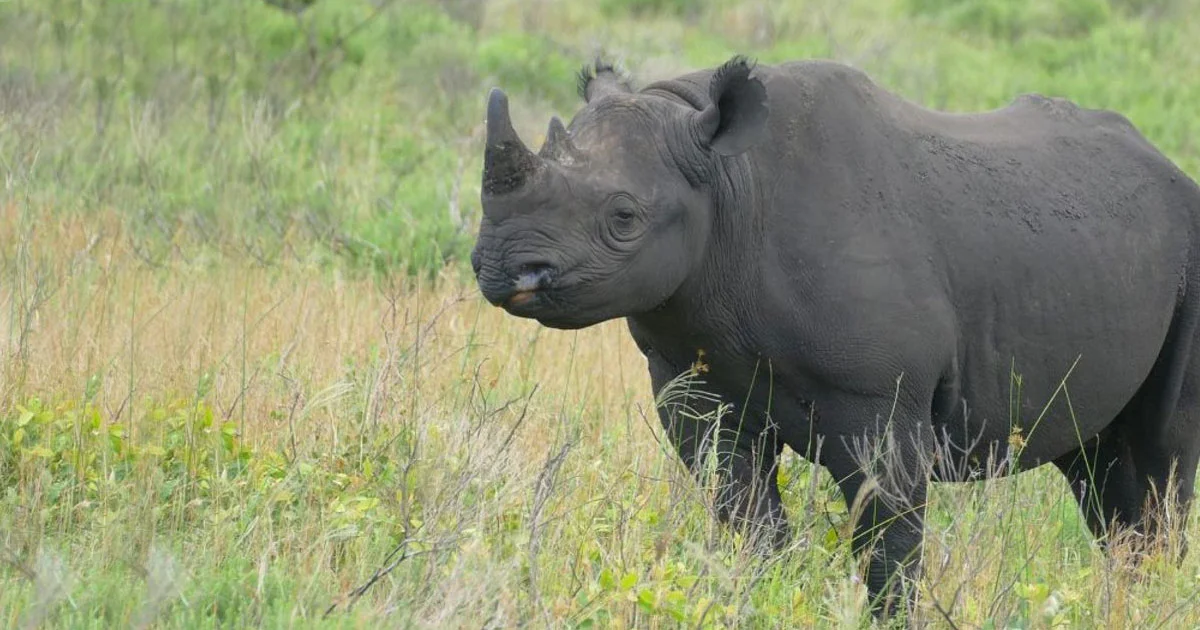
BlackRhino
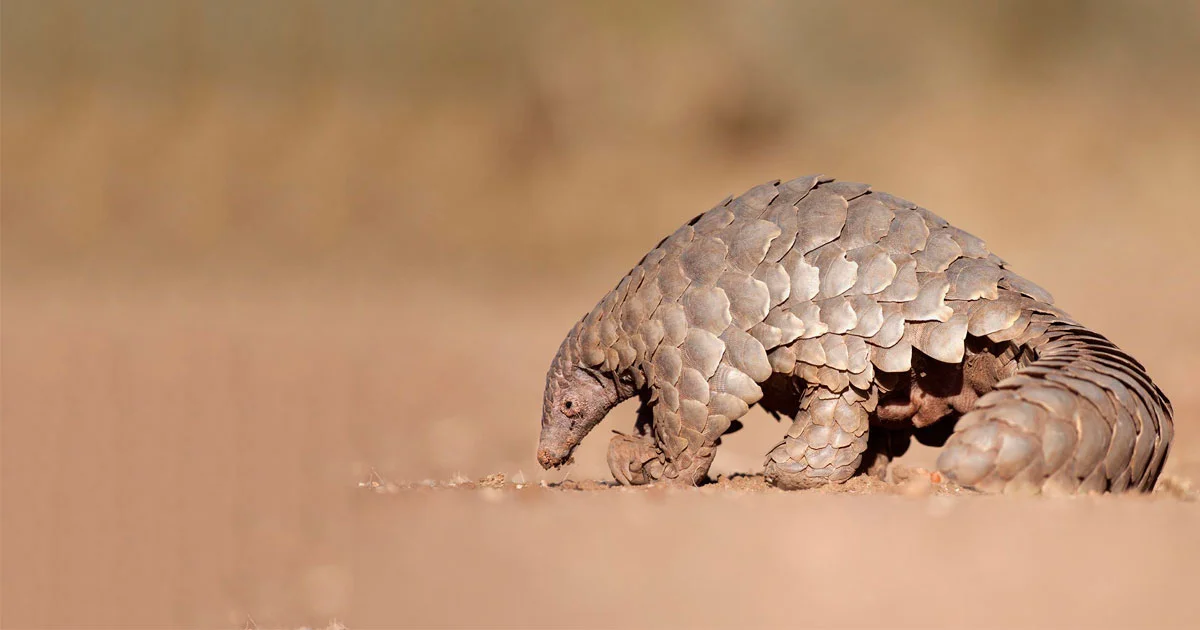
Pangolin
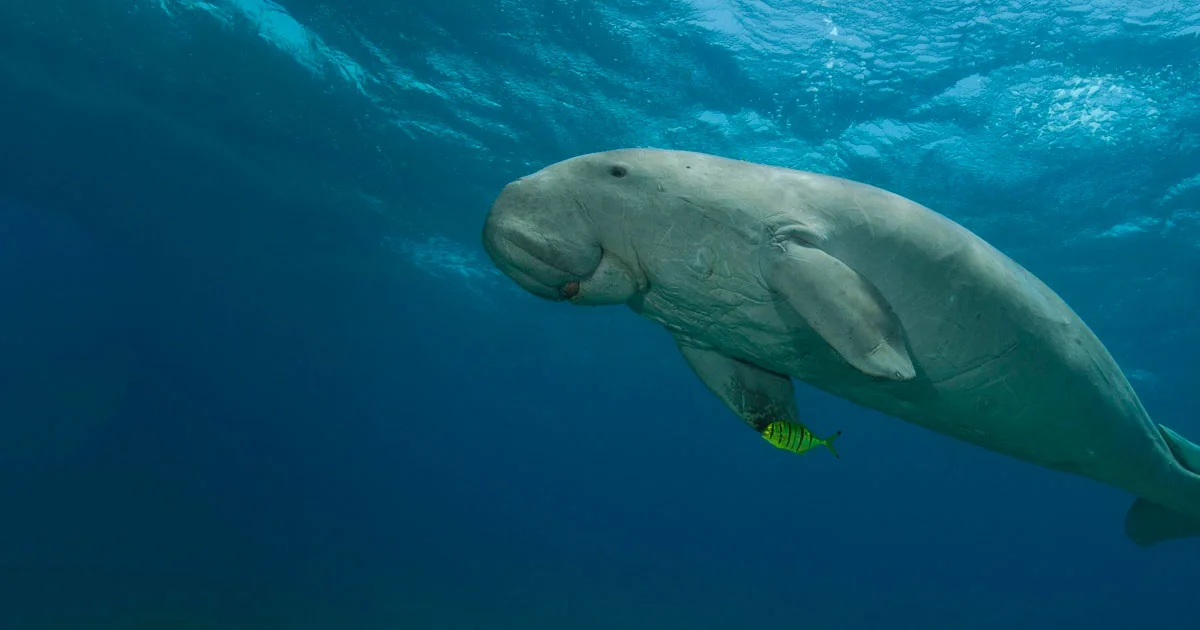
Dugong
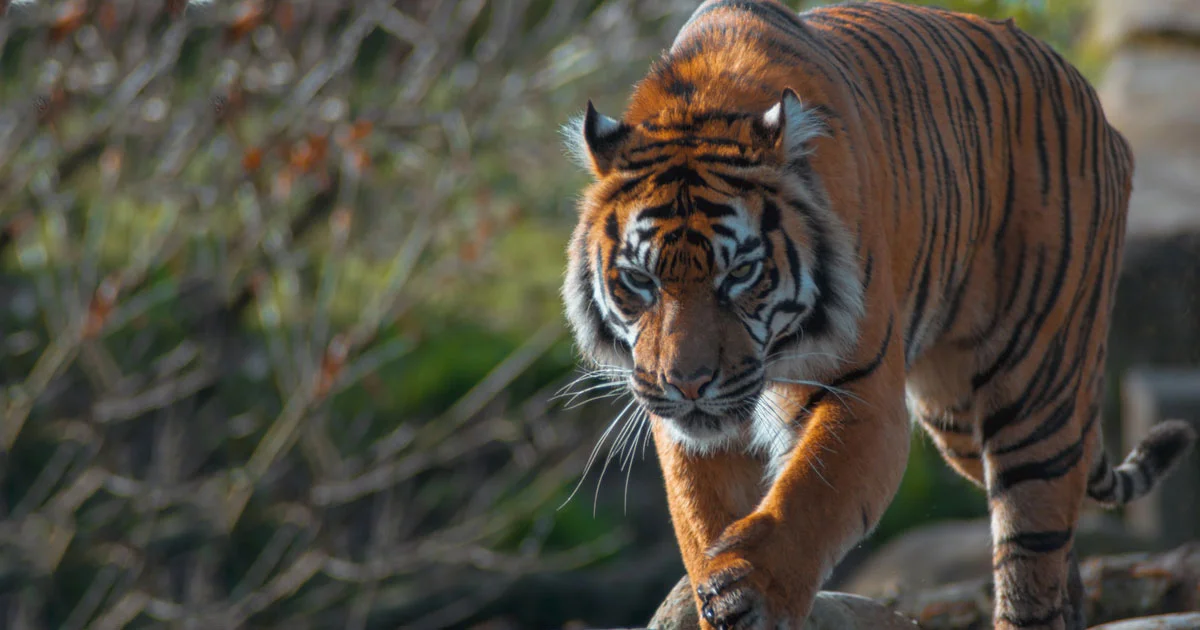
SumatranTiger
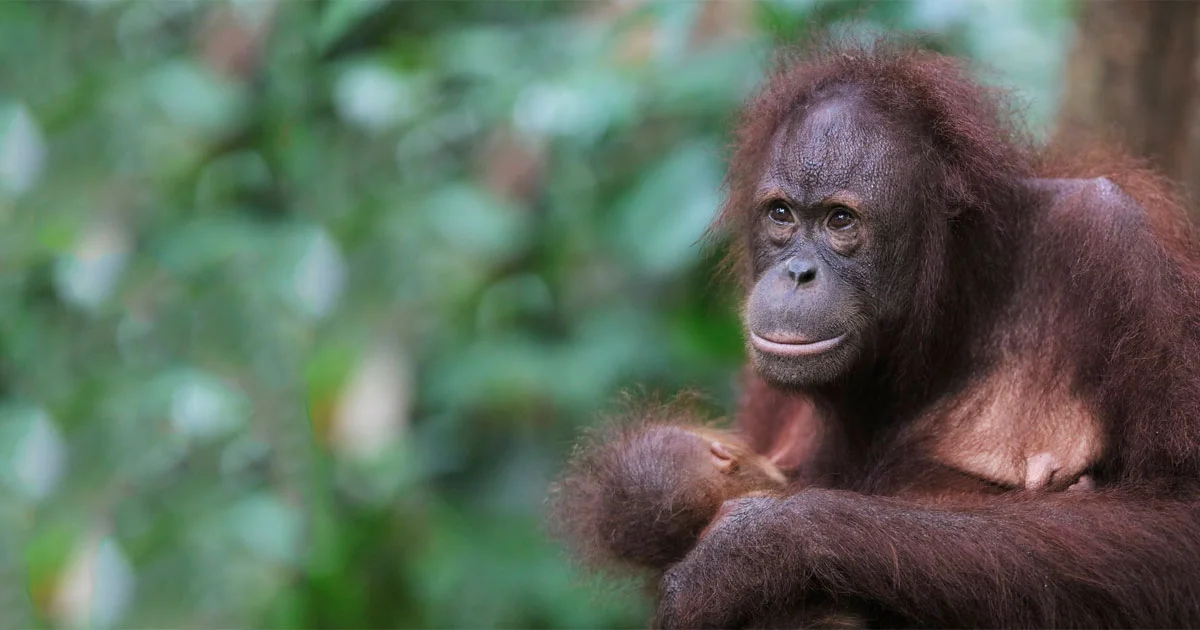
Orangutan
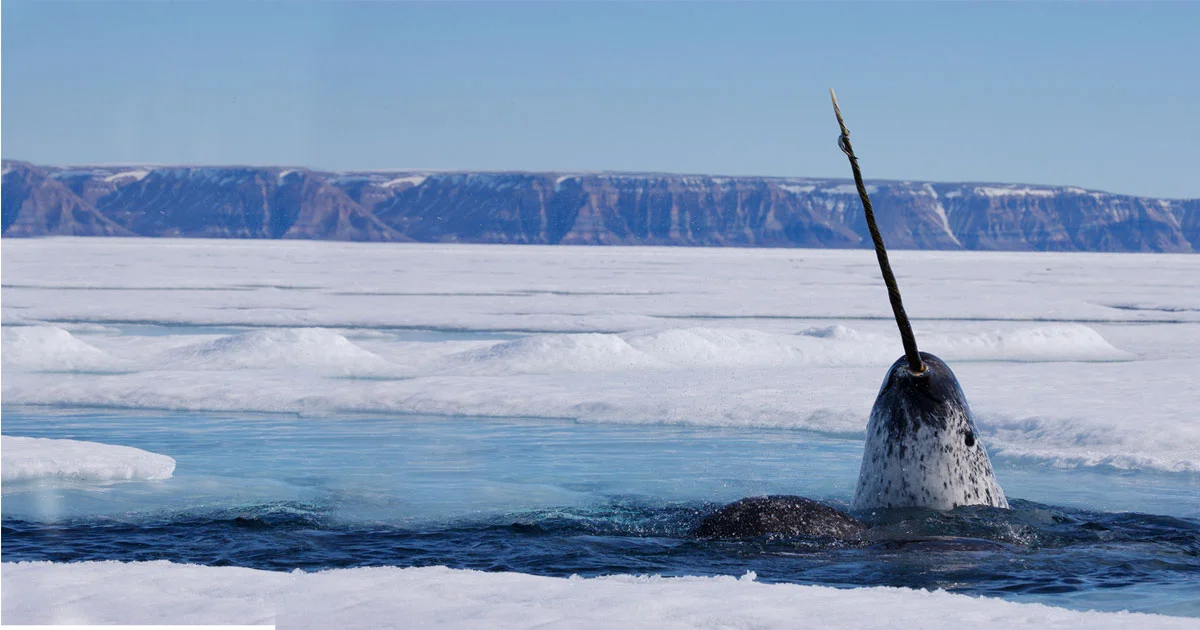
Narwhal
About
Name:
Hawksbill TurtleStatus:
Critically EndangeredPopulation:
fewer than 25,000Height:
30-35 inchesWeight:
90-150 poundsPlaces:
Mesoamerican Reef, Coastal East Africa, Coral TriangleHabitat:
Oceans
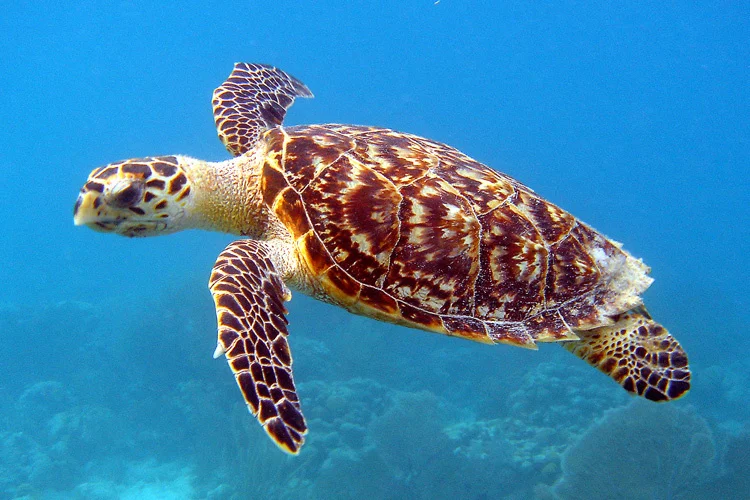
Hawksbill turtles (Eretmochelys imbricata) are amongst the smallest of the seven species of sea turtles. Adult hawksbills reach approximately 70-90cm in length and typically weigh between 45 and 70kg. They are easily identifiable by their unique carapace, the scutes of which overlap. Their narrow heads and beak-like jaws (from which they get their name) allow them to forage in the crevices of coral reefs, where they feed predominantly on sponges.
Hawksbills reside throughout the central Atlantic and Indo-Pacific regions. In the first few months of life, they inhabit open ocean environments. They take shelter under drifting algal mats, however recruit to coastal foraging areas once they reach approximately 20-25cm in length.
Why they matter
Hawksbills help maintain the health of coral reefs. As they remove prey such as sponges from the reef's surface, they provide better access for reef fish to feed. They also have cultural significance and tourism value. For example, for local residents in the Coral Triangle, the flow of visitors who come to admire turtles is a vital source of income.
Threats
ILLEGAL WILDLIFE TRADE
Despite their current protection under the Convention on International Trade in Endangered Species of Wild Fauna and Flora (CITES) and many national laws, there is still a disturbingly large amount of illegal trade in hawksbill shells and products. They are much sought after throughout the tropics for their beautiful brown and yellow carapace plates that are manufactured into tortoiseshell items for jewelry and ornaments. In recent decades, eastern Asia has provided an eager market for tortoiseshell.
Learn More
Designed and developed by Priya Tyagi :)