1. Mountain Gorilla
2. Amur Leopard
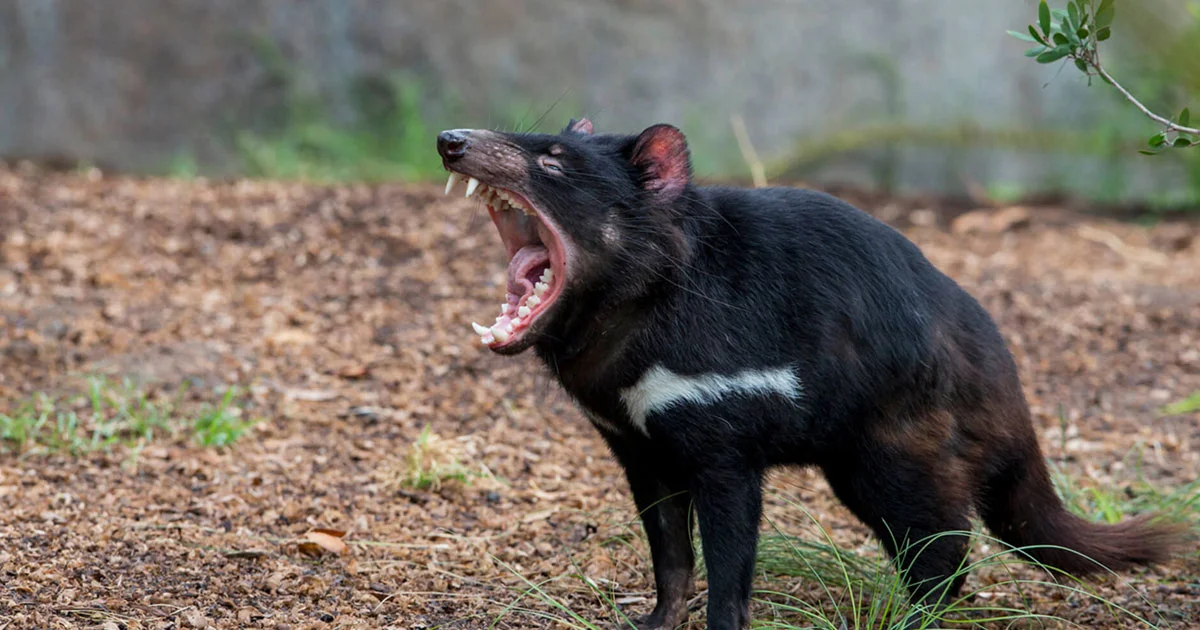
3. Tasmanian Devil
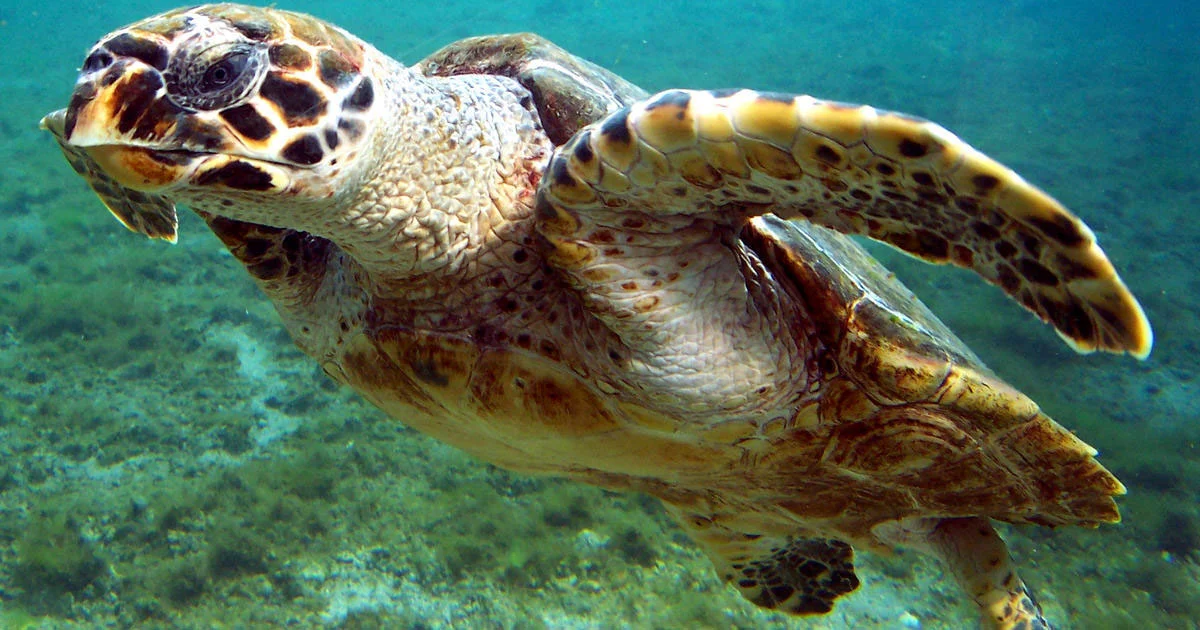
4. Hawksbill Turtle
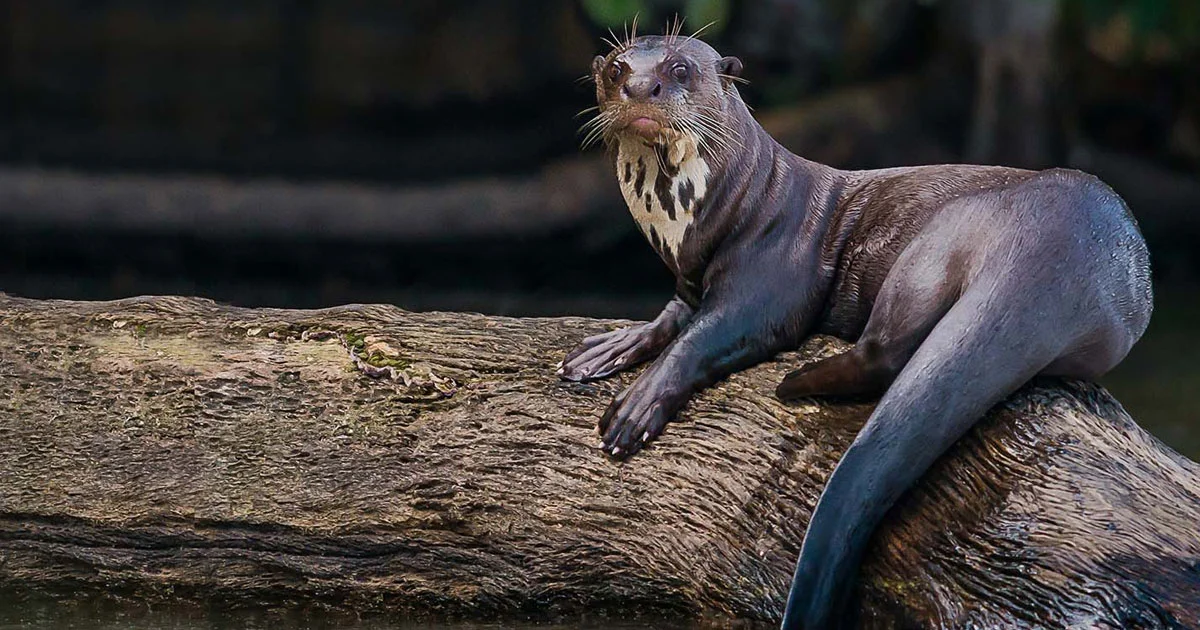
5. Giant Otter
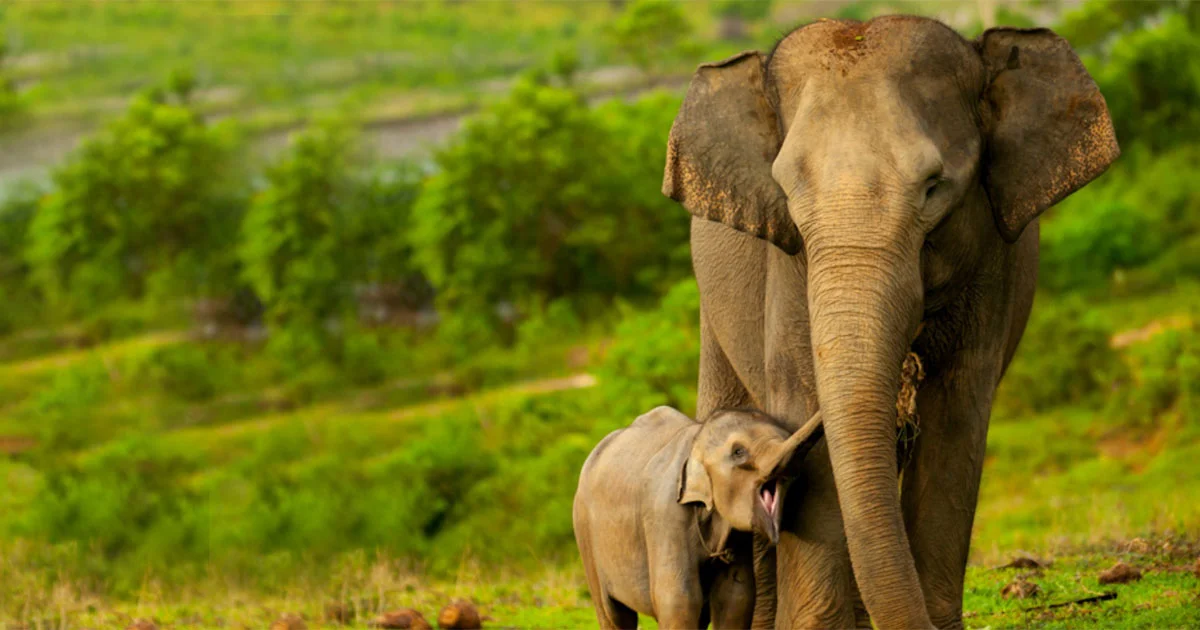
6. Sumatran Elephant
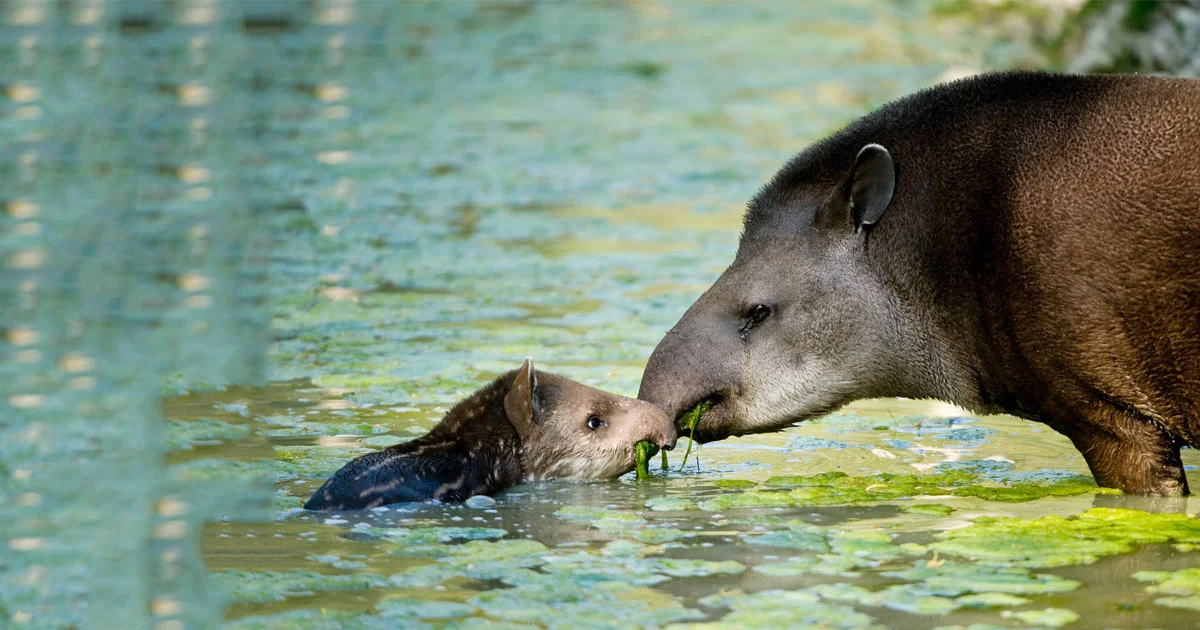
7. Tapir
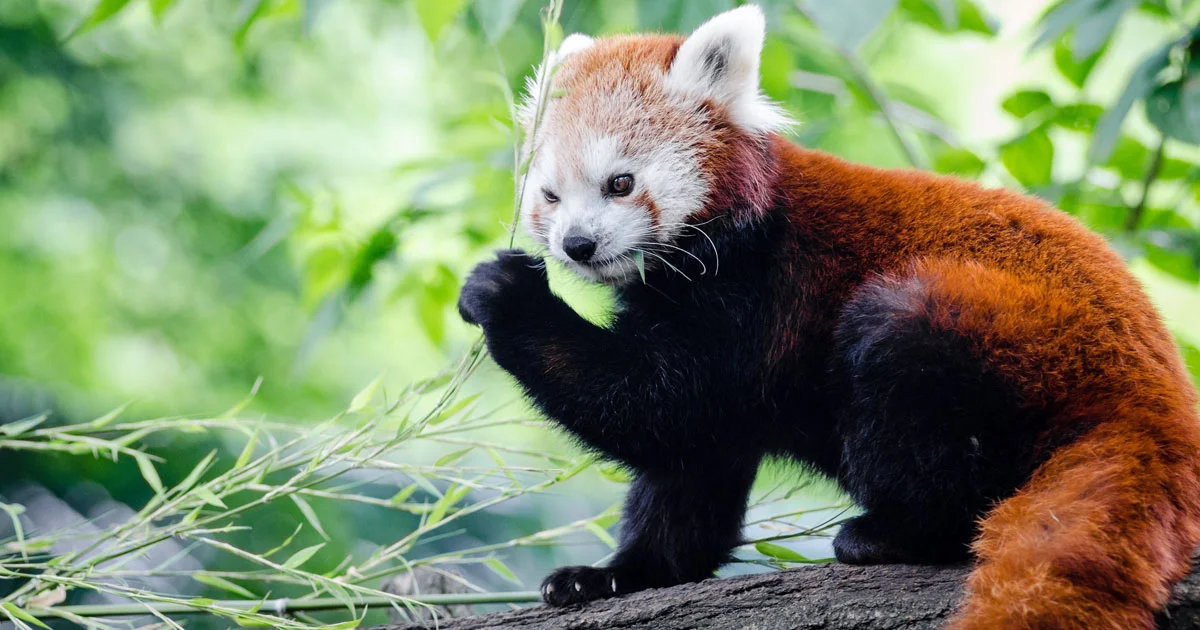
8. Red Panda
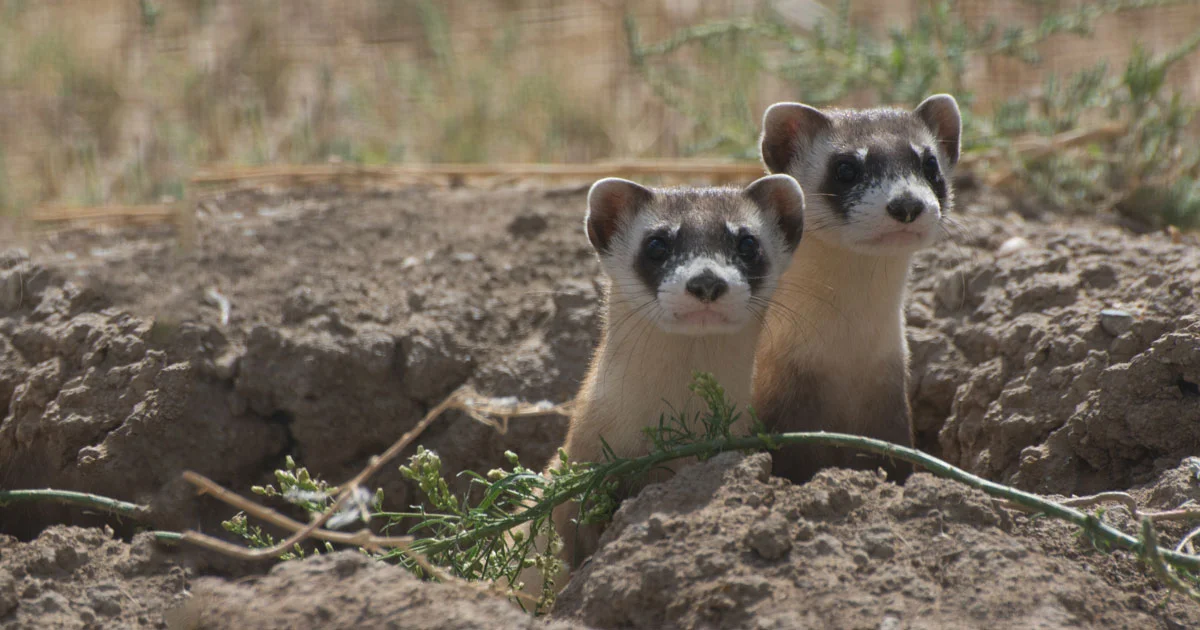
9. Black footed ferret
10. North Atlantic Right Whale
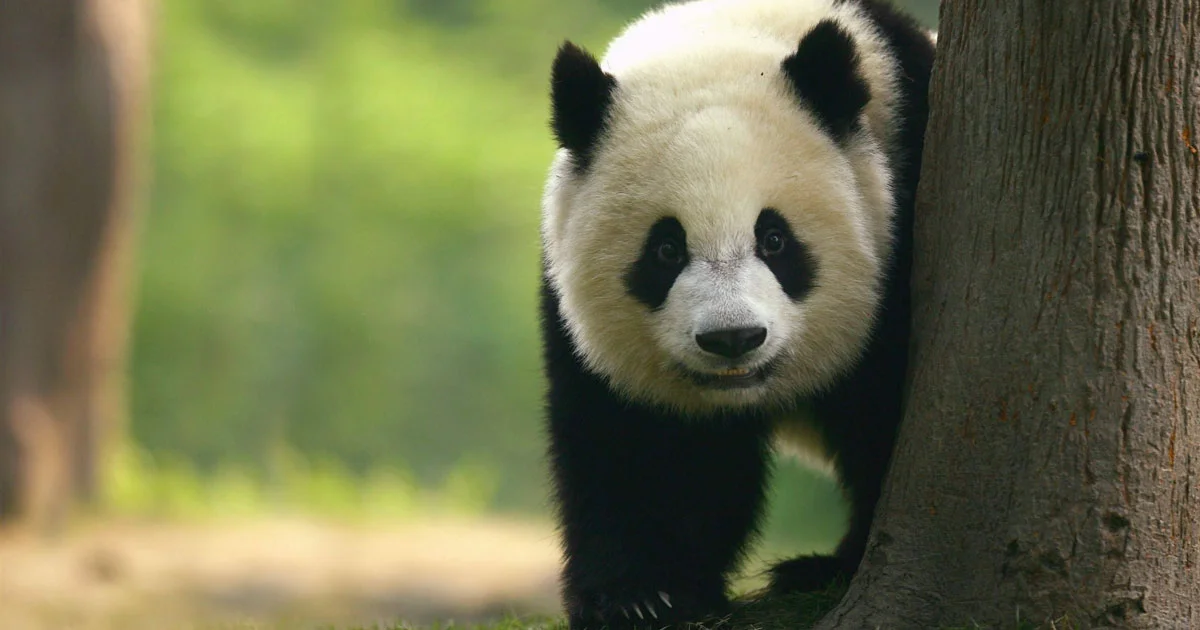
11. Giant Panda
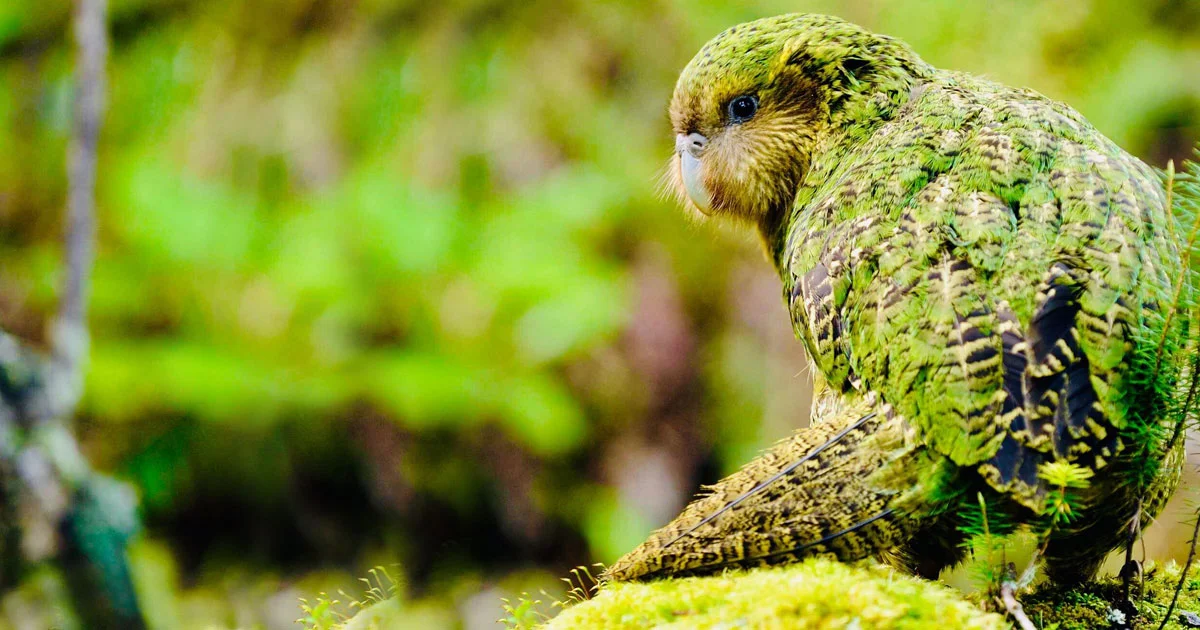
12. Kakapo
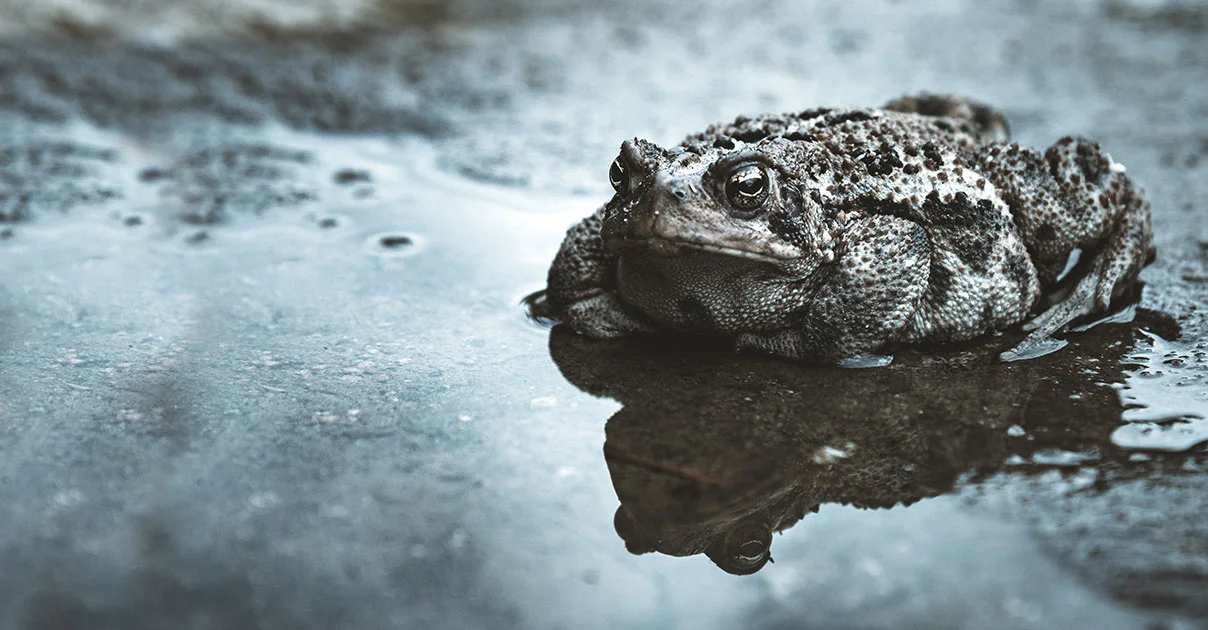
13. Arroyo toad
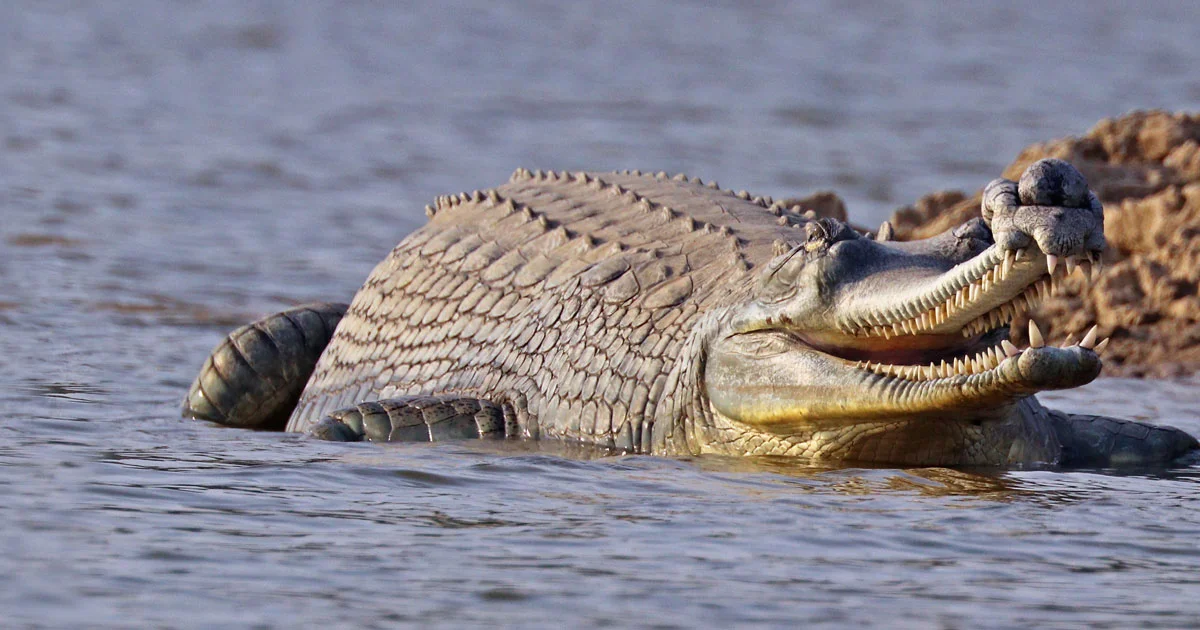
14. Gharial
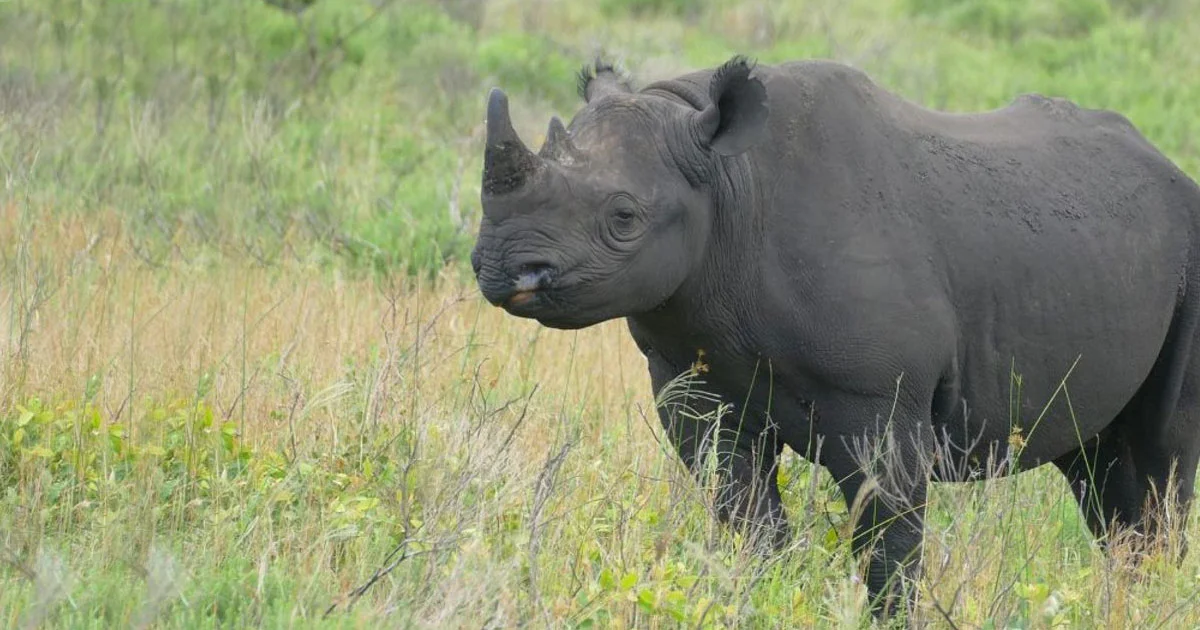
15. Black Rhino
16. Pangolin
17. Dugong
18. Sumatran Tiger
19. Orangutan
20. Narwhal
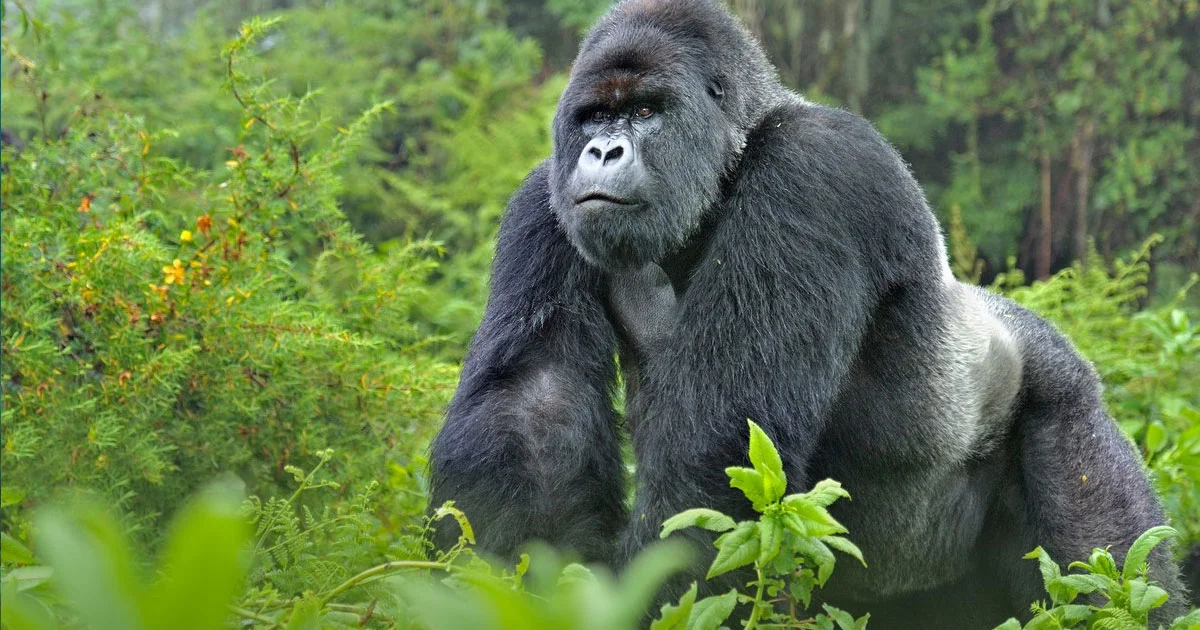
Mountain Gorilla

Mountain
Gorilla

The mountain gorilla (Gorilla beringei beringei) is one of the two subspecies of the eastern gorilla. It is listed as endangered by the IUCN as of 2018.

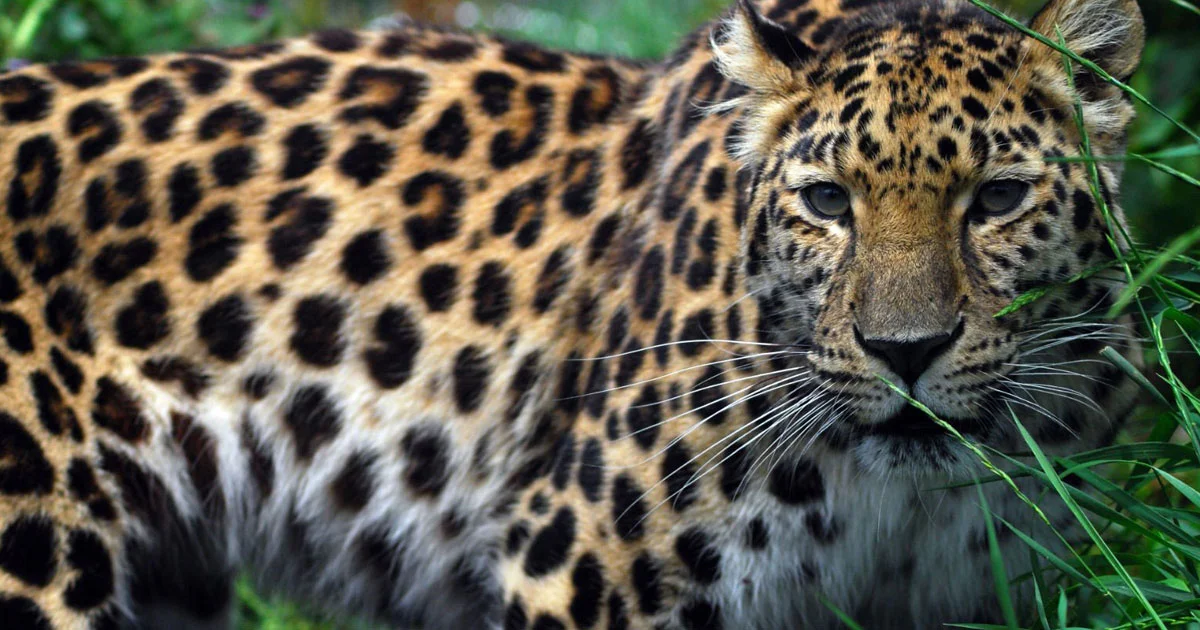
Amur Leopard

Amur
Leopard

The Amur leopard is a leopard subspecies native to the Primorye region of southeastern Russia and northern China.

Tasmanian Devil

Tasmanian
Devil

The Tasmanian devil is a carnivorous marsupial of the family Dasyuridae.

Hawksbill Turtle

Hawksbill
Turtle

The hawksbill sea turtle is a critically endangered sea turtle belonging to the family Cheloniidae.

Giant Otter

Giant
Otter

The giant otter or giant river otter is a South American carnivorous mammal.

Sumatran Elephant

Sumatran
Elephant

The Sumatran elephant is one of three recognized subspecies of the Asian elephant, and native to the Indonesian island of Sumatra.

Tapir

Tapir

A tapir is a large, herbivorous mammal, similar in shape to a pig, with a short, prehensile nose trunk.

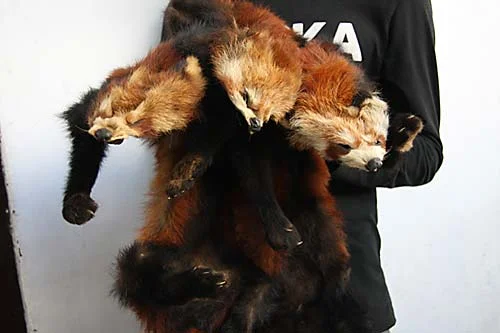
Red Panda

Red
Panda

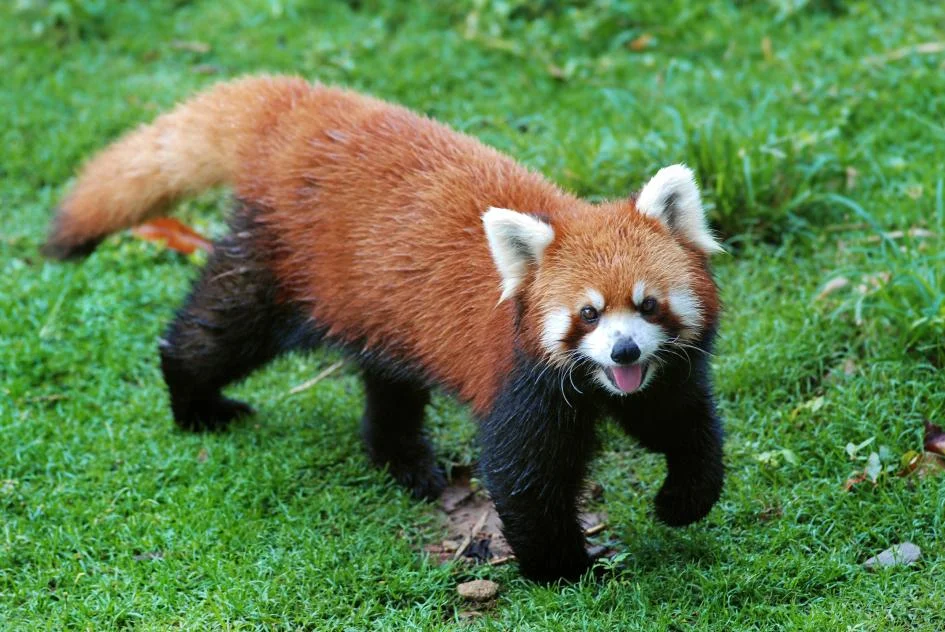
The red panda is a mammal species native to the eastern Himalayas and southwestern China.

Black footed ferret

Black
footed
ferret

The black-footed ferret, also known as the American polecat or prairie dog hunter, is a species of mustelid native to central North America.

North Atlantic Right Whale

North
Atlantic
Right
Whale

The North Atlantic right whale is a baleen whale, one of three right whale species belonging to the genus Eubalaena, all of which were formerly classified as a single species.

Giant Panda

Giant
Panda

Pandas live mainly in temperate forests high in the mountains of southwest China, where they subsist almost entirely on bamboo.

Kakapo

Kakapo

The kakapo, also called owl parrot, is a species of large, flightless, nocturnal, ground-dwelling parrot of the super-family Strigopoidea, endemic to New Zealand.

Arroyo toad

Arroyo
toad

The arroyo toad is a species of true toads in the family Bufonidae, endemic to California and Baja California state.

Gharial

Gharial

Gharial derives its name from ghara, an Indian word for pot because of a bulbous knob (narial excrescence) present at the end of their snout.

Black Rhino

Black
Rhino

Black rhinos are the smaller of the two African rhino species.

Pangolin

Pangolin

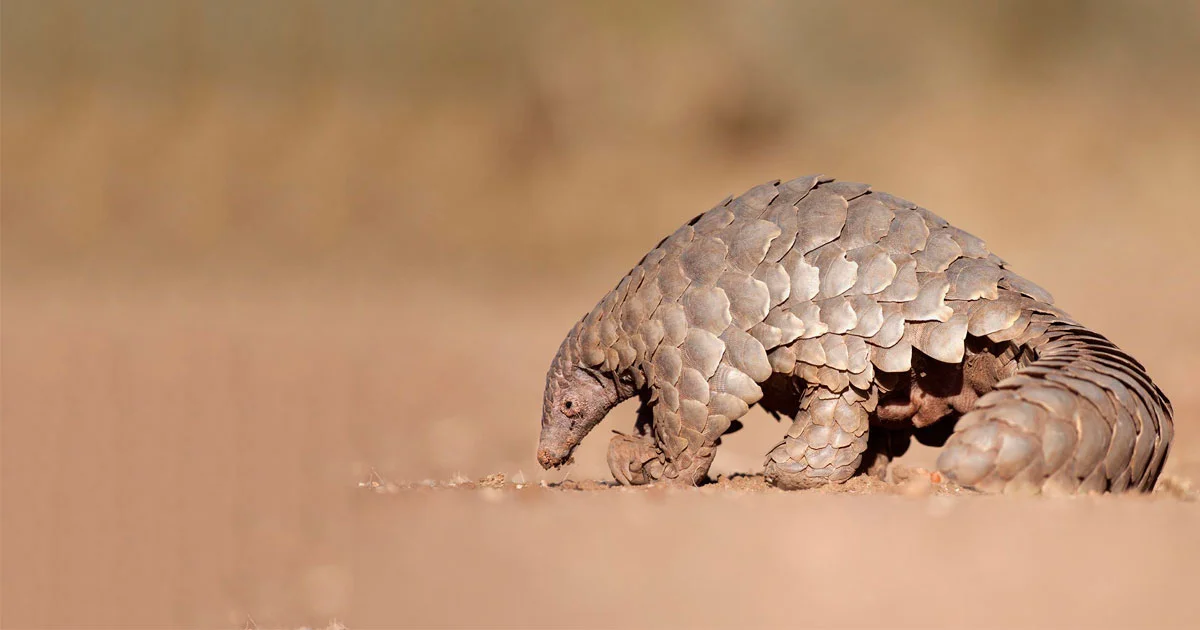
Pangolins, sometimes known as scaly anteaters, are mammals of the order Pholidota.

Dugong

Dugong

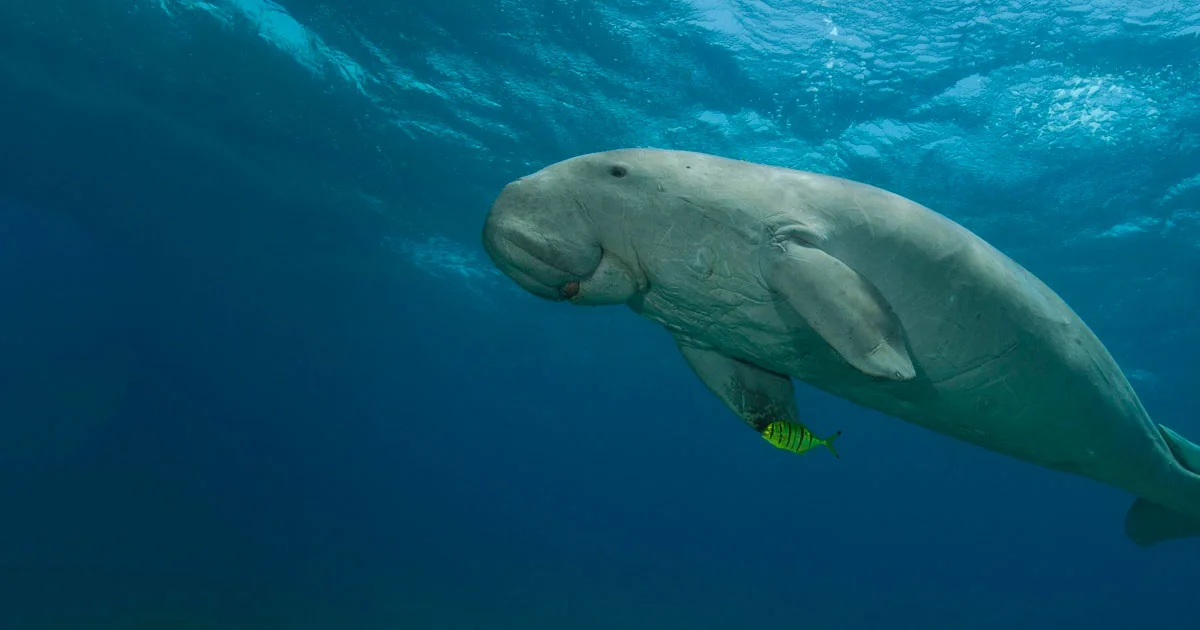
The dugong is a medium-sized marine mammal.

Sumatran Tiger

Sumatran
Tiger

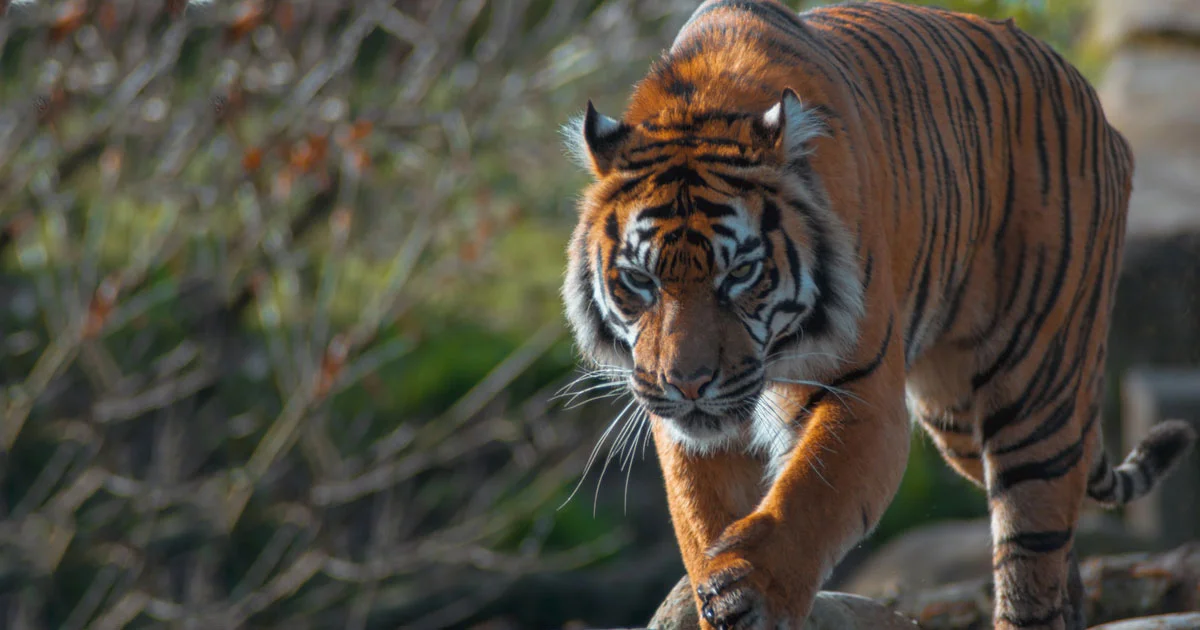
The Sumatran tiger is a population of Panthera tigris sondaica in the Indonesian island of Sumatra.

Orangutan

Orangutan

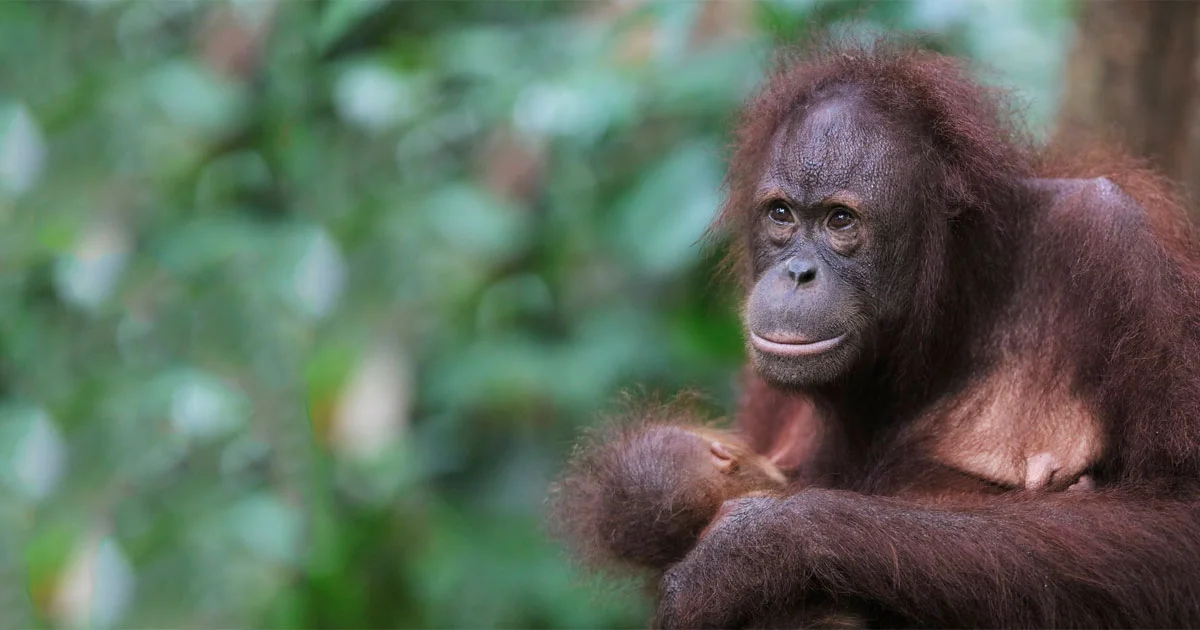
Orangutans are great apes native to Indonesia and Malaysia.

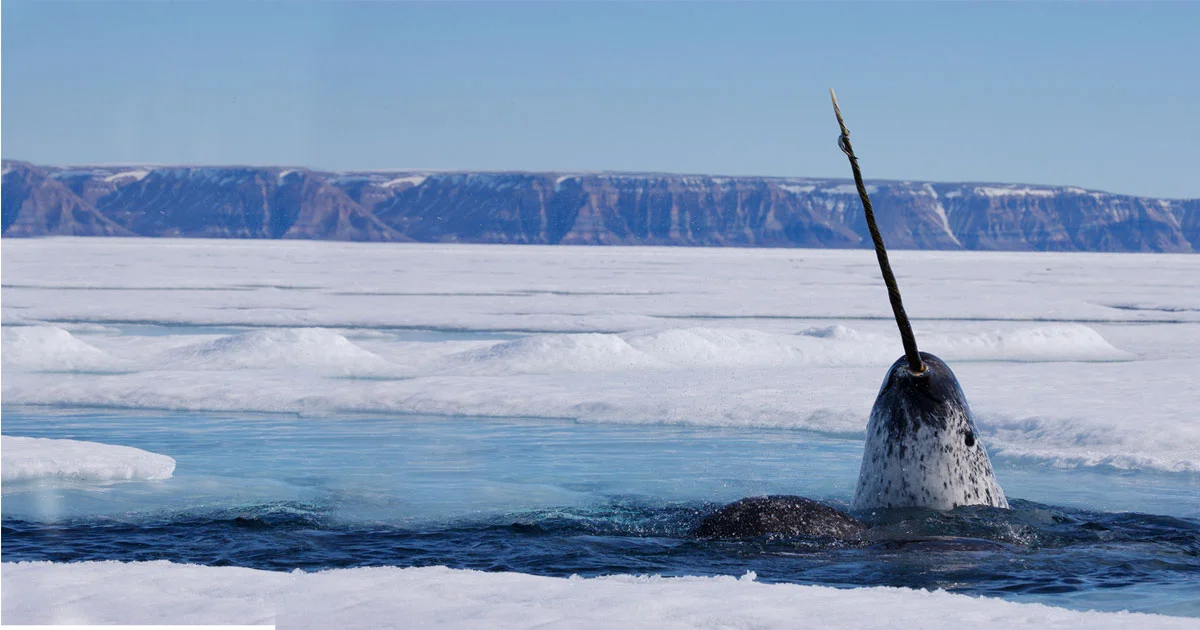
Narwhal

Narwhal

The narwhal or narwhale is a medium-sized toothed whale that possesses a large "tusk" from a protruding canine tooth.

About

  • Name:
    Red Panda
  • Status:
    Endangered
  • Population:
    10,000
  • Height:
    Head and body: 20 to 26 inches; tail: 12 to 20 inches
  • Weight:
    12 to 20 pounds
  • Places:
    China, Nepal, and Bhutan
  • Habitat:
    Eastern Himalayas

The red panda shares the giant panda's rainy, high-altitude forest habitat, but has a wider range. Red pandas live in the mountains of Nepal and northern Myanmar (Burma), as well as in central China.

These animals spend most of their lives in trees and even sleep aloft. When foraging, they are most active at night as well as in the gloaming hours of dusk and dawn.

Red pandas have a taste for bamboo but, unlike their larger relatives, they eat many other foods as well—fruit, acorns, roots, and eggs. Like giant pandas, they have an extended wrist bone that functions almost like a thumb and greatly aids their grip.

Why they matter

They are a carnivore that has adapted to eating almost exclusively bamboo. Red pandas are the only species remaining in their taxonomic family — a living relict of the past. Saving them is important to the preservation of the world's natural heritage and global biodiversity.
Red Panda matters

Threats

Red Panda under threat

Habitat destruction and hunting

The primary threats to red pandas are direct harvest from the wild, live or dead, competition with domestic livestock resulting in habitat degradation, and deforestation resulting in habitat loss or fragmentation.

Designed and developed by Priya Tyagi :)